The final weeks of pregnancy can feel slow, emotional, and full of anticipation. Your nursery may be ready. Your hospital bag may be packed. And still…you might be wondering:
What else can I do to prepare for labor and delivery?
Preparing for birth isn’t just about logistics. It’s about supporting your mind, body, and environment so you feel grounded, informed, and ready for the experience ahead.
Whether you’re planning a hospital birth, home birth, or something in between, this guide will walk you through practical, evidence-based ways to prepare for labor—so you can move into birth feeling more confident and supported.
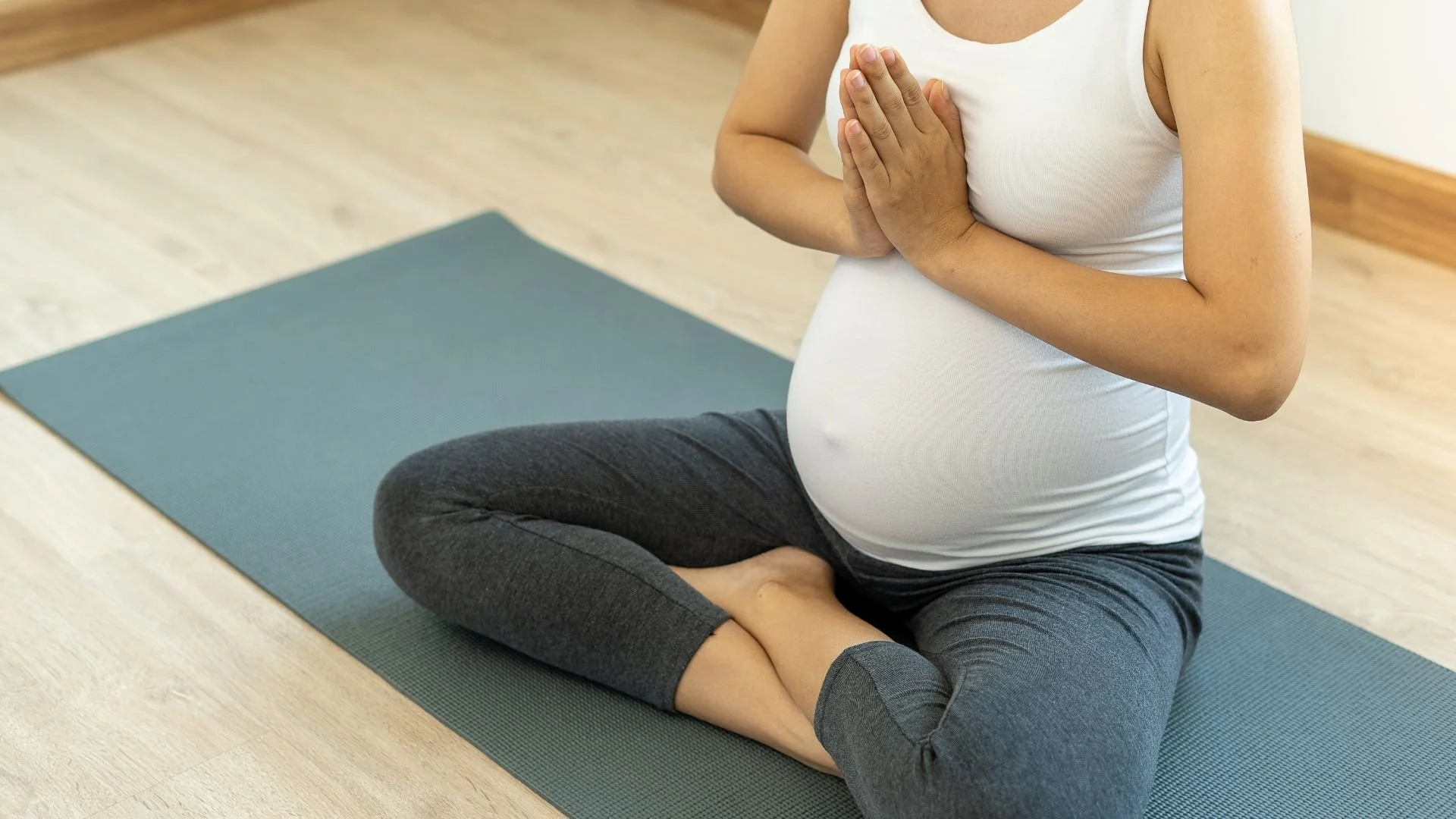
How to Prepare Your Mind for Labor
Meditation and Visualization for Birth Preparation
Practicing relaxation techniques during pregnancy can help reduce stress and prepare your mind for labor.
Research shows that meditation can lower anxiety levels in pregnancy, this can be especially helpful if movement is limited due to discomfort or bed rest. Tools like guided meditation apps can support a consistent practice.
Some effective techniques include:
Body scans - build awareness of sensations in your body
Breathing meditations - support oxygen flow and coping techniques for labor
Guided meditations - create a sense of calm and safety
Progressive muscle relaxation - release tension and identify stress patterns
Visualization can also be a powerful way to prepare for labor. Walking yourself mentally through the stages of birth can help you identify fears, build familiarity, and feel more emotionally prepared for the experience.
Physical Preparation for Labor and Birth
Prenatal Massage and Perineal Massage
Prenatal massage can help reduce joint pain, improve circulation, relax muscles, and support overall comfort in late pregnancy.
Perineal massage, practiced regularly in the final weeks, may help the body stretch and prepare for birth, potentially reducing tearing or the need for interventions like episiotomy.

Pregnant woman working out with dumbbells
Movement and Exercise in Late Pregnancy
Gentle movement and exercise during pregnancy can support baby’s positioning, stamina, and labor progression.
Always follow your provider’s recommendations, but consider:
Yoga and stretching
Squats
Cat-cow
Butterfly stretch
Frog stretch
Yoga ball hip rotations
Walking
Supports endurance and strength
Encourages optimal fetal positioning
May help stimulate labor
Can reduce labor duration
Pelvic Floor Preparation
Seeing a pelvic floor physical therapist is a great way to prepare your body for labor. They will give you tailored pelvic floor exercises which will help you relax and isolate your muscles in preparation for birth.
Strengthening these muscles during pregnancy can:
Support pushing during labor
Improve recovery postpartum
Increase overall pelvic stability

Pregnant woman eating nutritious meal
How to Prepare Your Body: Nutrition, Hydration, and Rest
Your body needs energy for labor. Supporting yourself with balanced nutrition, hydration, and rest in the final weeks of pregnancy can make a meaningful difference.
Fueling your body well helps:
Maintain stamina during labor
Support fetal development
Promote recovery after birth
Simple, consistent nourishment matters more than perfection.
Take a Birth Class (And Why It Matters)
Childbirth education is one of the most effective ways to prepare for labor and reduce fear of the unknown.
Whether this is your first baby or not, a birth class can help you:
Understand the stages of labor
Learn coping strategies
Explore different birth scenarios
Feel more informed and grounded
Preparation often leads to greater confidence and less anxiety heading into birth.
Prepare for Life After Birth (Postpartum Planning)
Preparing for postpartum is just as important as preparing for labor.
Parenting and Newborn Care Classes
These classes can help you feel more prepared for:
Feeding
Diapering
Soothing
Newborn development
Infant CPR and first aid classes are also valuable tools.
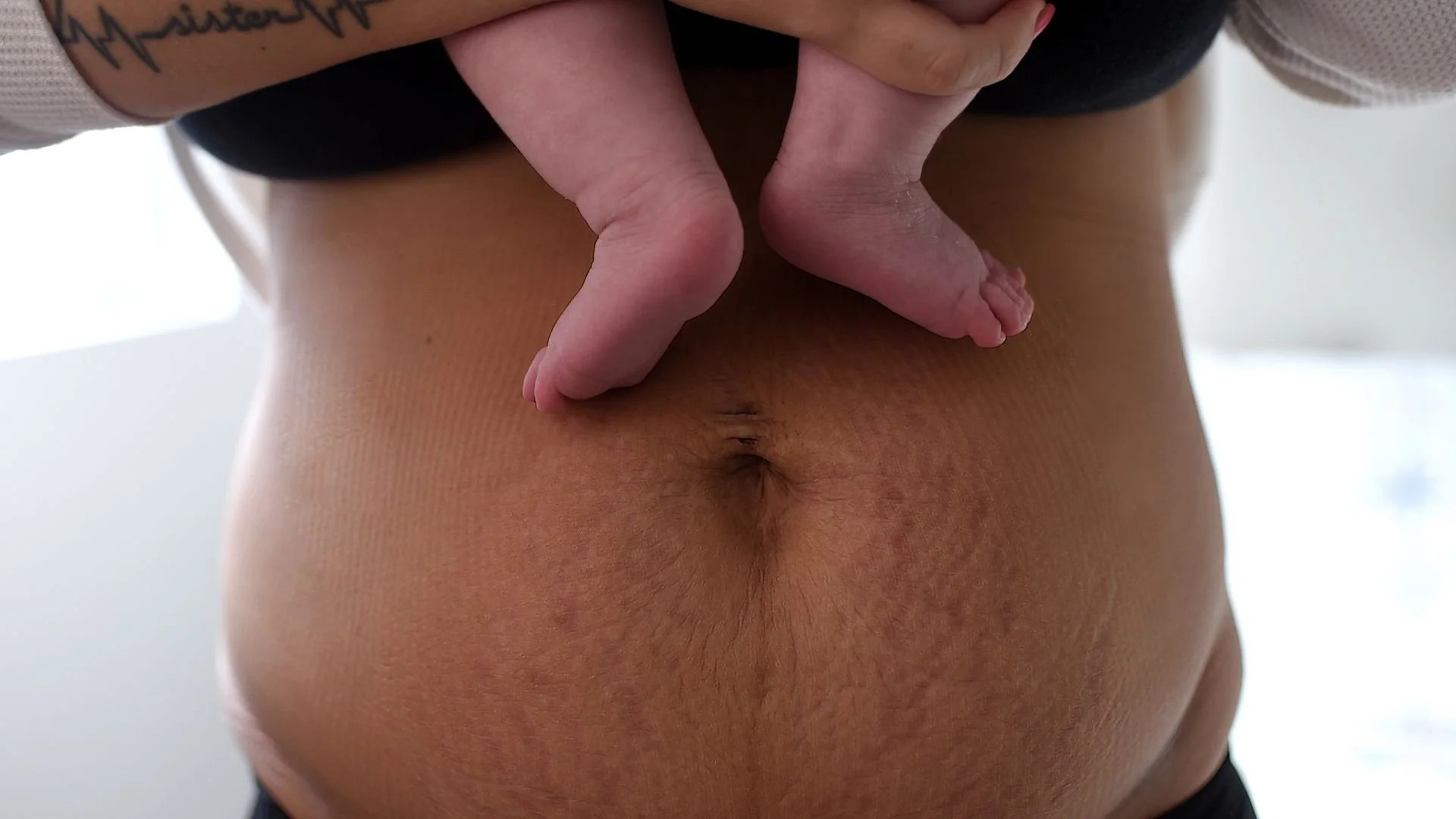
Postpartum belly with baby feet
Tour Your Birth Facility
If you’re planning a hospital or birth center birth, taking a tour can help you:
Understand the layout
Know where to go when labor starts
Learn what tools and options are available
Even for home births, identifying a backup facility can bring peace of mind.
Set Up Postpartum Support
Support after birth matters.
Whether it’s:
A meal train
Family or friends helping at home
A postpartum doula
A counselor or therapist
Having support in place can ease recovery and reduce overwhelm.
You don’t have to figure it out alone.
Review Your Birth Preferences (and Stay Flexible)
Your birth preferences help communicate your wishes—but birth is not fully predictable.
Review your preferences with your provider and consider:
Your priorities
Alternative options
Flexibility if plans shift
Preparation is not about control.
It’s about feeling informed and supported in your choices.
Emotional Preparation for Birth
As labor approaches, it’s normal to feel excitement, fear, and uncertainty.
Creating space for calm and positive anticipation can support the natural progression of labor.
Try:
Visualizing meeting your baby
Spending time in your nursery space
Limiting exposure to fear-based birth stories
If anxiety feels overwhelming, reach out for support. You deserve steady, reassuring care.
Build Your Support System
Connection matters—before and after birth.
Consider:
Parent groups
Birth communities
Trusted friends or family
Mental health support if needed
Having people you can turn to can make a significant difference in your experience.
Practical Preparation: Be Ready for Labor at Any Time
Labor doesn’t always wait for the perfect moment.
Prepare by:
Keeping your car fueled
Arranging childcare if needed
Having your hospital bag packed
Installing your car seat
What to Pack for Labor and Delivery
Comfortable clothing or robe
Slippers
Toiletries
Snacks and water bottle
Phone charger
Baby clothes
Being prepared can help you feel more at ease when labor begins.
In Summary
Preparing for labor and delivery isn’t about controlling every outcome. It’s about creating a foundation of support; physically, emotionally, and practically.
From how you care for your body,
to how you calm your mind,
to who you surround yourself with…
each piece matters.
Birth may not go exactly as planned. But preparation can help you feel grounded in the uncertainty. You are allowed to prepare in a way that feels right for you.
